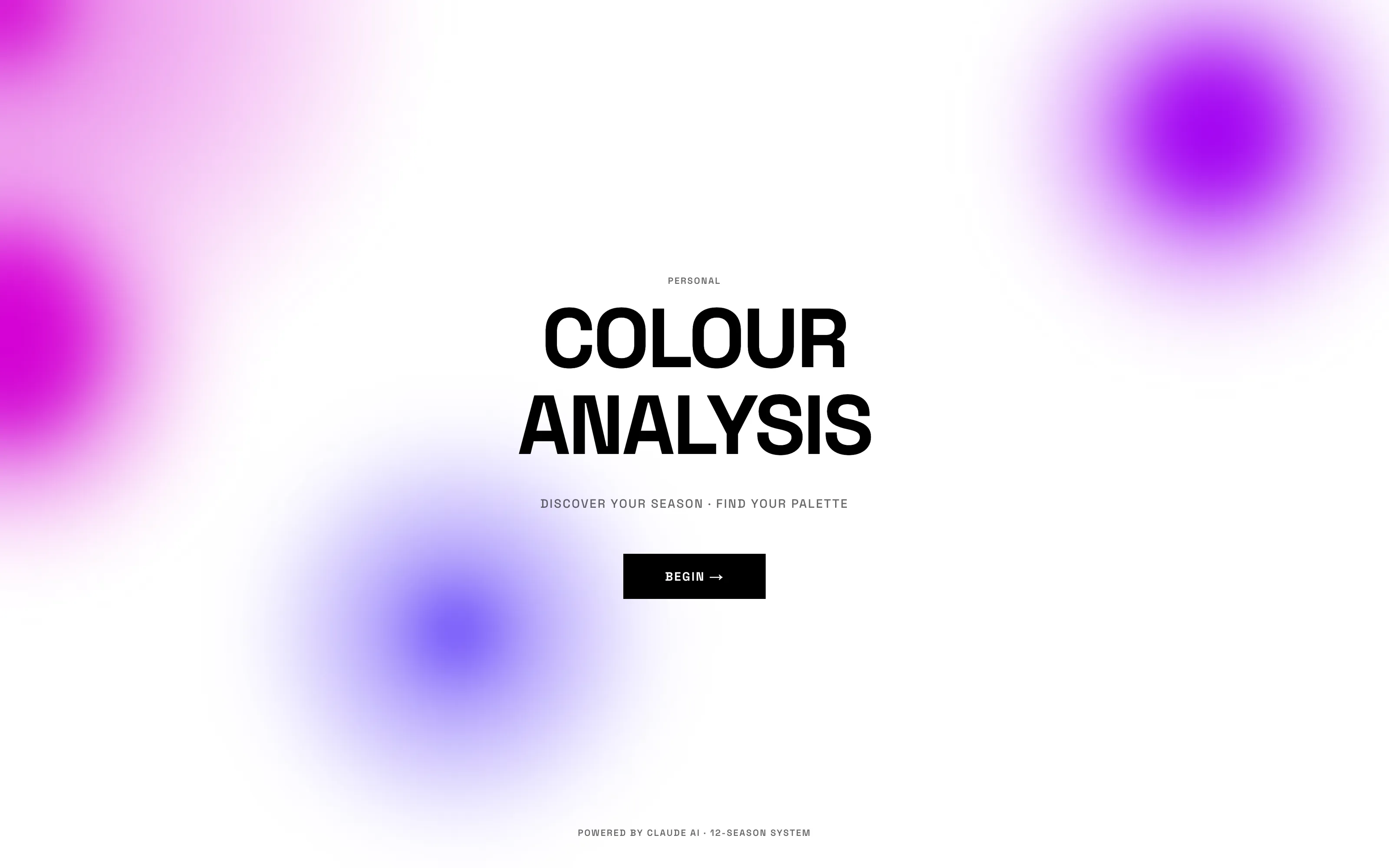
Key Kapture
- Company:
- Side project
- Year:
- 2026
- Tasks:
- Design, Build, Launch
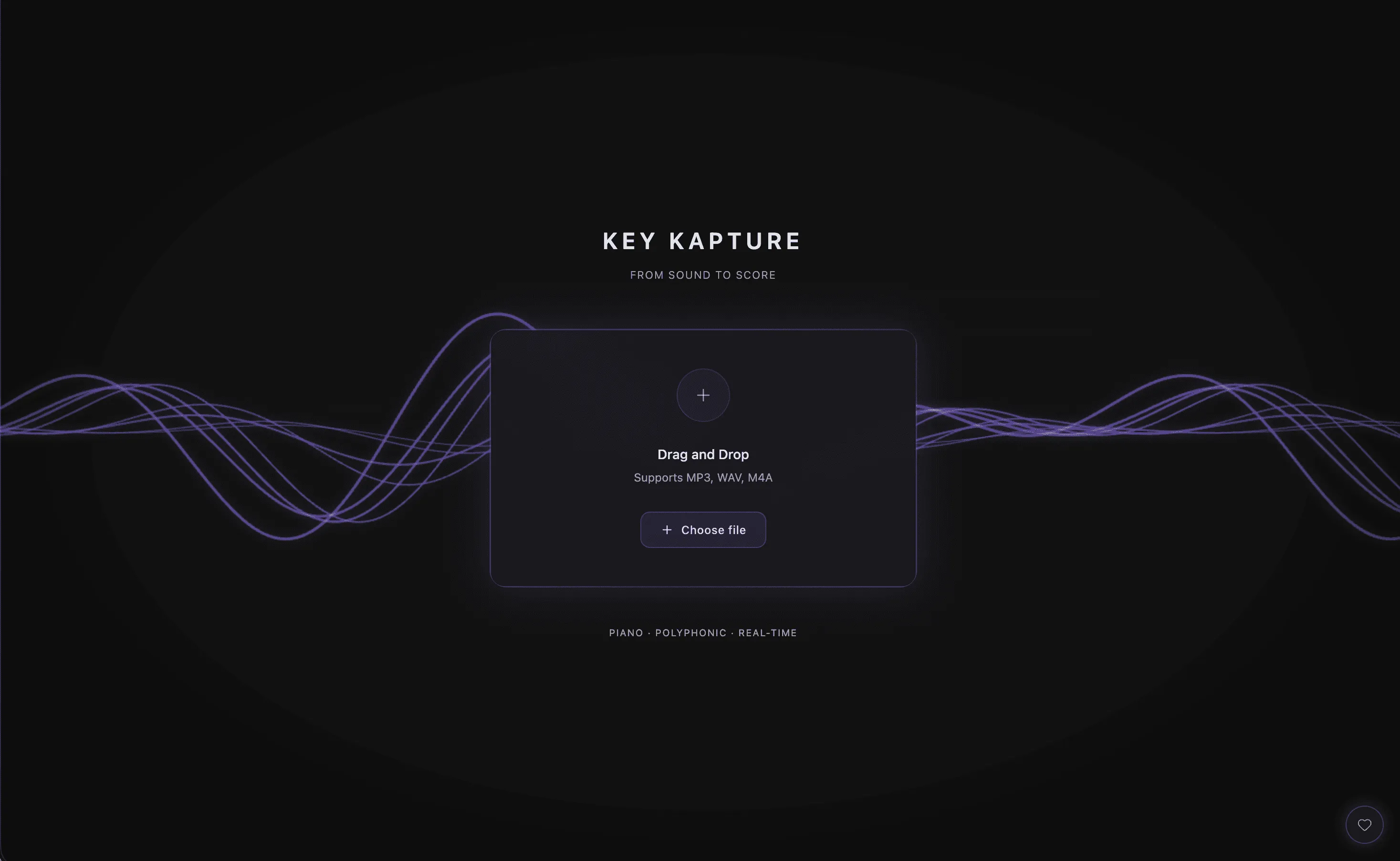
Key Kapture
Side project • 2026 • Webapp
From sound to score.
Try it live (opens in a new tab) Download a sample song
story.
I write songs at the piano. I play them and record them… and then they stay recordings forever, because writing them down takes far too long.
I trained classically (ARCT in Piano Performance, Royal Conservatory of Music) and spent years as a first violinist in the Niagara Youth Orchestra. I know what good sheet music looks like. I just never had the patience to handwrite mine. So I built the thing I always wished existed.
how it works.
Drop in an audio file (MP3, WAV or M4A). Transkun, an open-source model trained only on piano, detects the notes. Tonal handles the music theory: key, harmony, and naming every chord, inversions included. OpenSheetMusicDisplay renders it as readable sheet music.
From there you can transpose to any key, fix the key, time signature or downbeat, and export a clean PDF or MusicXML for MuseScore or Sibelius. It all runs on your device. Your audio is never uploaded.
1–2 min
to transcribe a song
~90%
of the way there, then tidy a few bars
0
uploads: audio stays on your device
what was hard.
Designing for output I can’t predict.
Pitch detection works well for clean melodies, but add harmony or complex rhythm and the model can miss chords or misread timing. You can’t mock up every state, so the layout, hierarchy and feedback have to absorb whatever the model produces. It’s the same problem as designing for AI-generated content: be honest that it’s about 90% right, and make the last 10% quick to fix.
getting it right.
The first versions were technically “notes”, but no pianist could play from them. Wrong key, wrong time signature, a tempo twice as fast, and notes the model heard that I never played.
So I used my own training as the quality bar. I played my song June Waltz, compared every bar against what I actually wrote, and marked what was wrong: a melody that should fall E, D, C; a D sharp that kept flipping to E flat; a waltz written in 6/8 instead of 3/4. Each correction became a rule the app now follows on every song, like spelling notes from the chord they belong to and keeping the melody in the right hand, plus tests so the fixes stay fixed. I also switched to a model trained only on piano.
Round by round, same recording
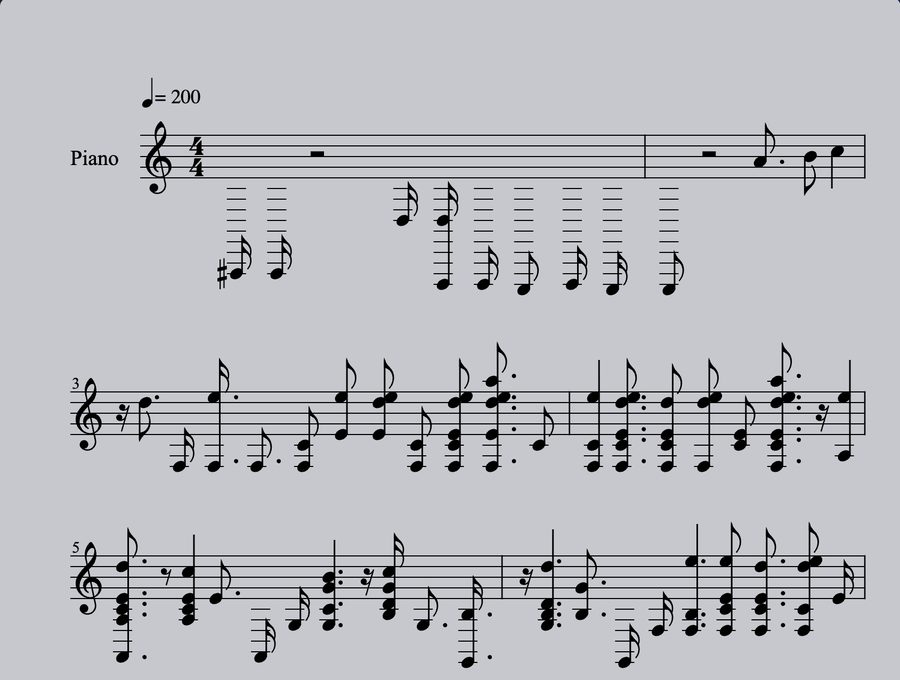
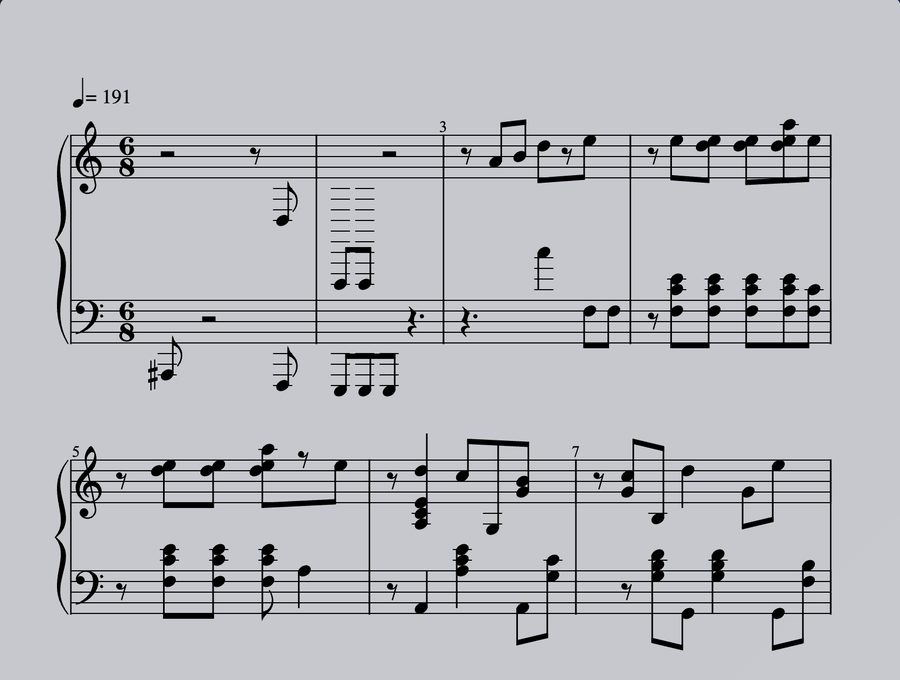
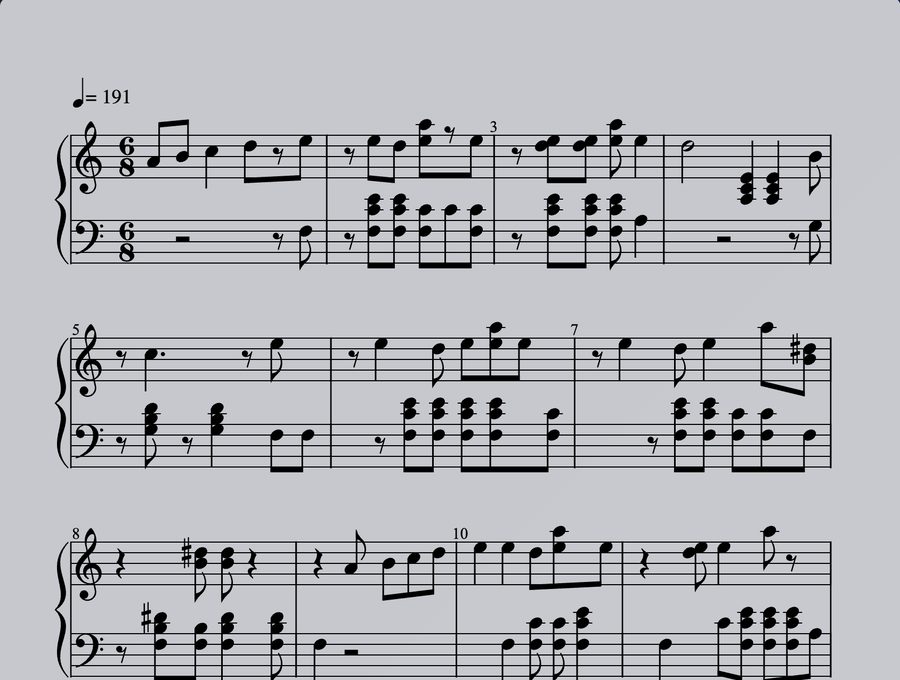
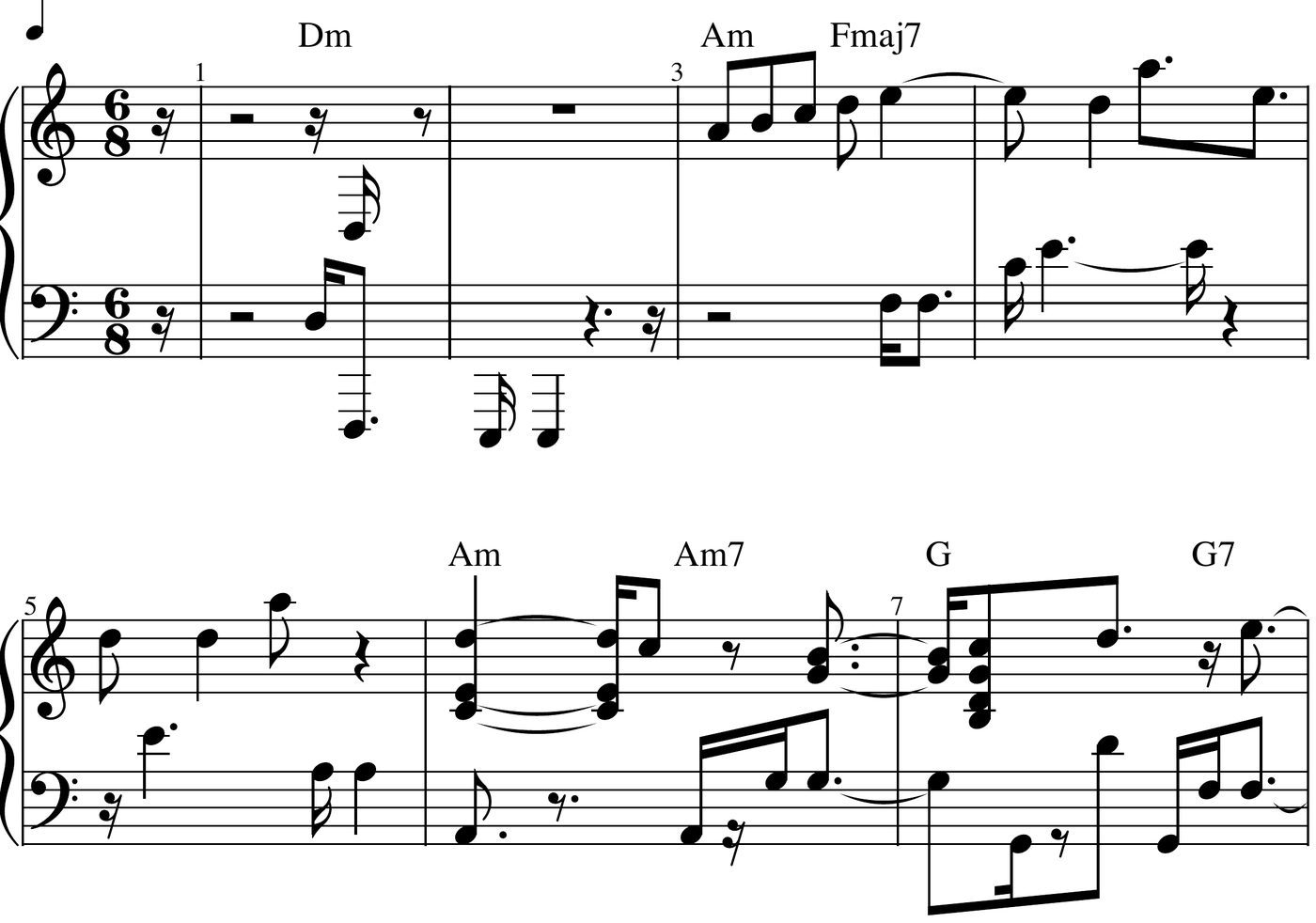
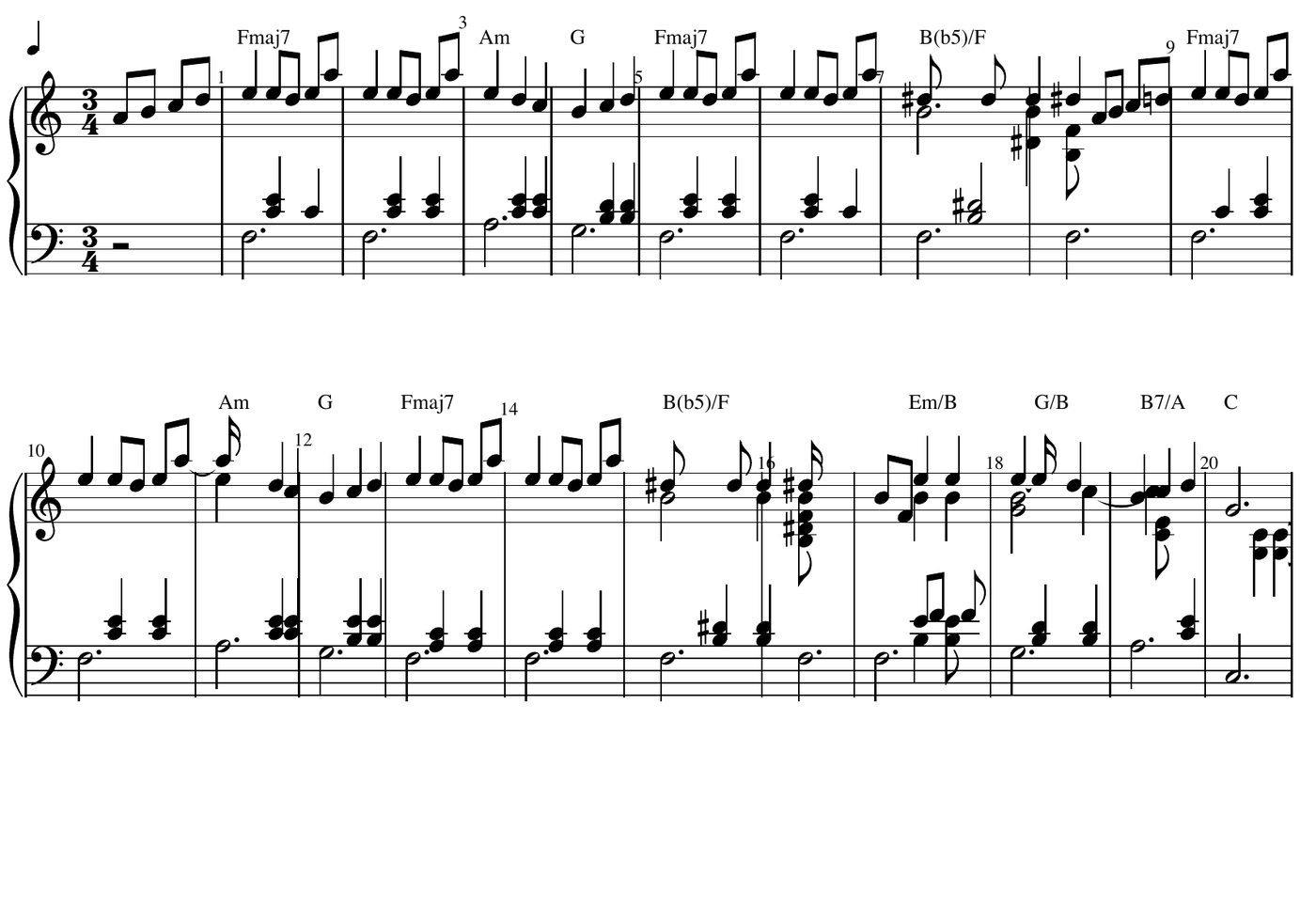
The example on keykapture.com is now a real transcription with no cleanup or edits. That’s the point I was designing toward: get people 90% of the way there, so the last 10% takes minutes, not an evening.
how I built it.
Figma → Claude Code → GitHub. I designed the first UI in Figma, built it with Claude Code, and learned GitHub along the way. It’s live as a free beta, with a tip jar and a waitlist for paid plans.
Stack: React · TypeScript · Vite · Transkun · Tonal · OpenSheetMusicDisplay · Tailwind · shadcn/ui
Up Next
Colour Analysis